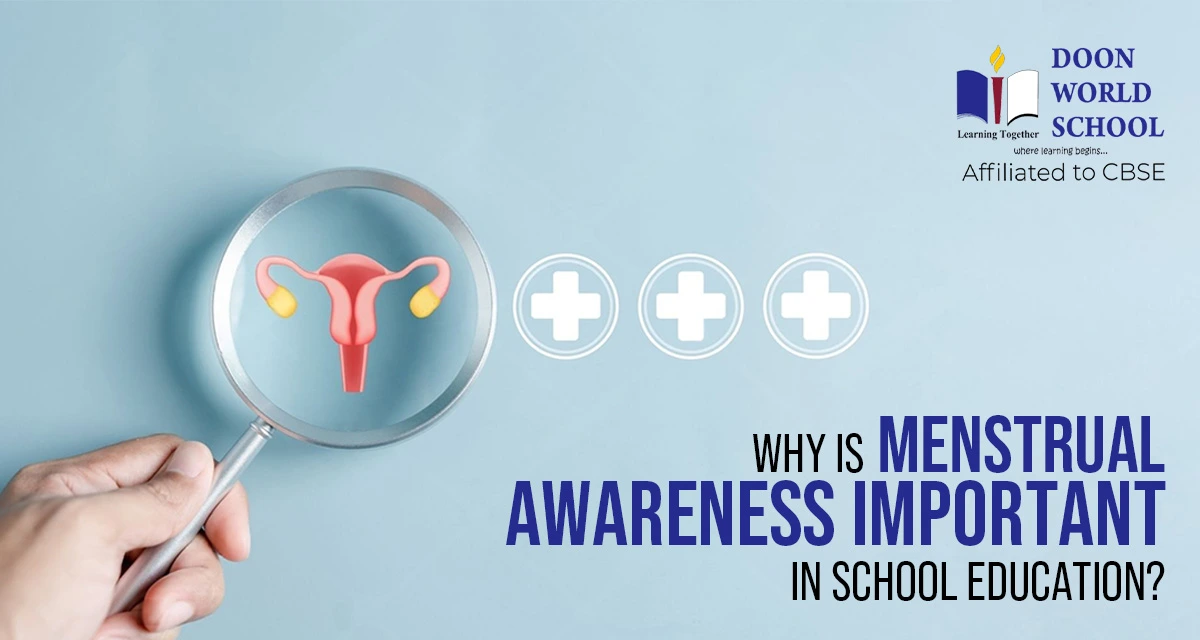
Why Is Menstrual Awareness Important in School Education?
Menstrual awareness is essential to the development of healthy and inclusive school settings capable of accommodating all students in school. The taboo and stigma on menstruation can be attributed to schools that should teach students about menstruation at an early age. Properly organized menstruation education of children leads to the development of confidence, proper information of adolescents, and a decrease in anxiety and shame. As awareness about menstruation in schools becomes a regular procedure of health education, absenteeism decreases, and girls are not absent during their menstrual periods. In conclusion, menstrual education in schools enables people to be dignified and armed with knowledge, and no one should feel afraid to learn without being disrupted.
What is the importance of menstrual awareness in school?
Here are some of the points demonstrating why it is so important to make children aware of menstruation.
1. Confidence and Readiness Developed
As soon as the teaching of students about menstruation is realized in school, the learners become clear about the menstrual cycle. This decreases fear, anxiety, and confusion, making them confident in the way to cope with the changes in their bodies, and making menstrual awareness in schools a norm, not a secret.
2. Less Absenteeism/Drop‑Out
During menstruation, girls fail to attend school because of discomfort or embarrassment. Proper menstruation education of the students gives them the hygiene and the tools to remain in class. Emphasis on awareness of menstruation in school is beneficial in curbing absenteeism and long-term dropout rates.
3. Healthy & Hygienic
Girls should be educated well about proper menstrual hygiene, proper change of product, cleaning, and disposal of products. Introduction of menstrual education in schools will assist in developing a healthy attitude and informed decision towards the use of menstrual products.
4. Destroys Stigma & Shame
Myths and taboos disintegrate when there is open discussion of menstruation by teachers. The perception of menstruation in schools makes the classrooms inclusive and not a whisper of a conversation that would be kept secret. Authentic communication reduces humiliation to help peers.
5. Promotes Gender Equality
Incorporation of boys during lessons will make them know about menstruation, which will minimize teasing and create empathy. This open attitude is an effective method of gaining peer support and encouraging respect, which will strengthen menstruation education as a weapon against discrimination amongst students.
6. Offers Holistic growth
Menstrual education is not all about biology; it is about emotional, social, and psychological aspects. This is an indication of a comprehensive learning and development process among teenagers. This kind of menstruation education among students develops self‑esteem and emotional strength.
7. Brings Long-Term Change
School learning tends to flow out: students bring what they have learned to families, which affects communities. Therefore, menstrual education in schools shows good change in society and makes period conversation non-classroom-based.
8. Makes Ready for Real-Life Decisions
Students will be able to make informed decisions via the education on access to menstrual products, including pads, cups, period underwear, etc. This consciousness contributes to the safer, sustainable conduct and the increased number of health results in the real world.
9. Promotes Emotional, Mental Health
Menstruation causes emotional swings. Once schools deal with the issue of menstruation in an open manner, students feel accepted and understood. This promotes a healthy state of mind as it minimizes anxiety and shame when they are on their periods.
10. Better Infrastructure & Equity
Combined education is likely to result in improved sanitation; access to pads and disposal bins, and, most importantly, toilets. This infrastructure assists dignity and attendance. Menstrual awareness in schools consists of menstrual knowledge and physical amenities.
What are the ways of taking care during menstruation?
Along with the awareness about menstruation, it is also important to guide the school girls on how to take care of themselves during menstruation. Here are some of the points mentioned below.
1. The change of menstrual products should be frequent
Replace the swap pad after 4-6 hours, tampons after 4-8 hours, and wash menstrual cups according to instructions. This averts leakage, smell, and infection. Before and after handling products, hygiene is improved through the washing of hands.
2. Pay more attention to intimate hygiene
Cleaning of the vulva should be done with mild and unscented soaps and warm water at least once a day; wiping should be done in the forward direction to avoid spreading bacteria. Any scented products or douches will upset the natural pH.
3. Wear ventilated, comfortable clothes
Wear innerwear that is made out of cotton and does not stick together, and wear breathable clothes to avoid sweating and being infected by bacteria. Do not wear tight jeans or synthetic material around your period.
4. Drink a lot of fluids during the day
Drink abundantly of water and herb tea (peppermint, ginger, chamomile) in order to alleviate cramps, bloating, and maintain energy level. The intake of water is the means of avoiding exhaustion and pain.
5. Consume well-balanced foods
Go for healthy dishes that are rich in iron (spinach, lentils), omega-3 (walnuts, salmon), whole grain foods, fruits, and vegetables. Cut back on sugary foods, salty foods, caffeine, and highly processed foods.
6. Rest and sleep enough
Be sure to have at least 7-8 hours of sleep. You can also sleep or take small naps to make your body rest, combat cramps, and irritability during menstruation. Consider the requirements of your body.
7. Cramps use heat treatment
Relax muscles by using a warm cloth, a Hot water bottle, or a warm bath to relieve menstrual cramps. Use some relaxing essential oil like lavender or chamomile.
8. Movement gently
Endorphins can be released during moderate-level exercise such as walking, yoga (Child Pose, Cat-Cow, and Cobra), or low-intensity swimming, which helps relieve cramps and gives the mood an uplift. You should not overwork; just listen to your comfort.
9. Mindfulness/Stress relief
To lower the mood swings, anxiety, and ease the emotional health, read, journal, meditate or deep breathe. Put aside the strenuous activities; concentrate on the self.
10. Bring an emergency package
Have a pouch of extra pads, tampons, a menstrual cup, wipes, and extra undies. This gives assurance and preparedness in case of an eventuality or leakage.
Conclusion!
The awareness of menstruation at school empowers dignity, lessens stigma, and increases attendance and health. Well-rounded menstruation education of the students produces confident, knowledgeable members with a sense of support during puberty. Schools such as Doon World School, Dehradun, whose health education is inclusive and student-centered, are good examples of this essential practice